

The Royal Golf Club
A Story of Excellence, Advocacy & Community
The Beginning
Long before diversity and inclusion became buzzwords, Black Washingtonians were carving their own fairways.
In 1924, prominent African American leaders in Washington, D.C. founded the city’s first Black golf club the Riverside Golf Club establishing a tradition of excellence and community that would span a century. Play was organized on the municipally owned Lincoln Memorial Golf Course, which had opened on June 8, 1924, giving Black golfers one of their first dedicated spaces in the nation’s capital.
As the club grew, so did its ambitions. In 1925, some members split to form the Citizens Golf Club, which later became the Capital City Golf Club in 1927. These organizations weren’t just social clubs they were acts of resistance, community-building, and pride in an era when Jim Crow laws were systematically excluding Black Americans from mainstream sports and institutions.
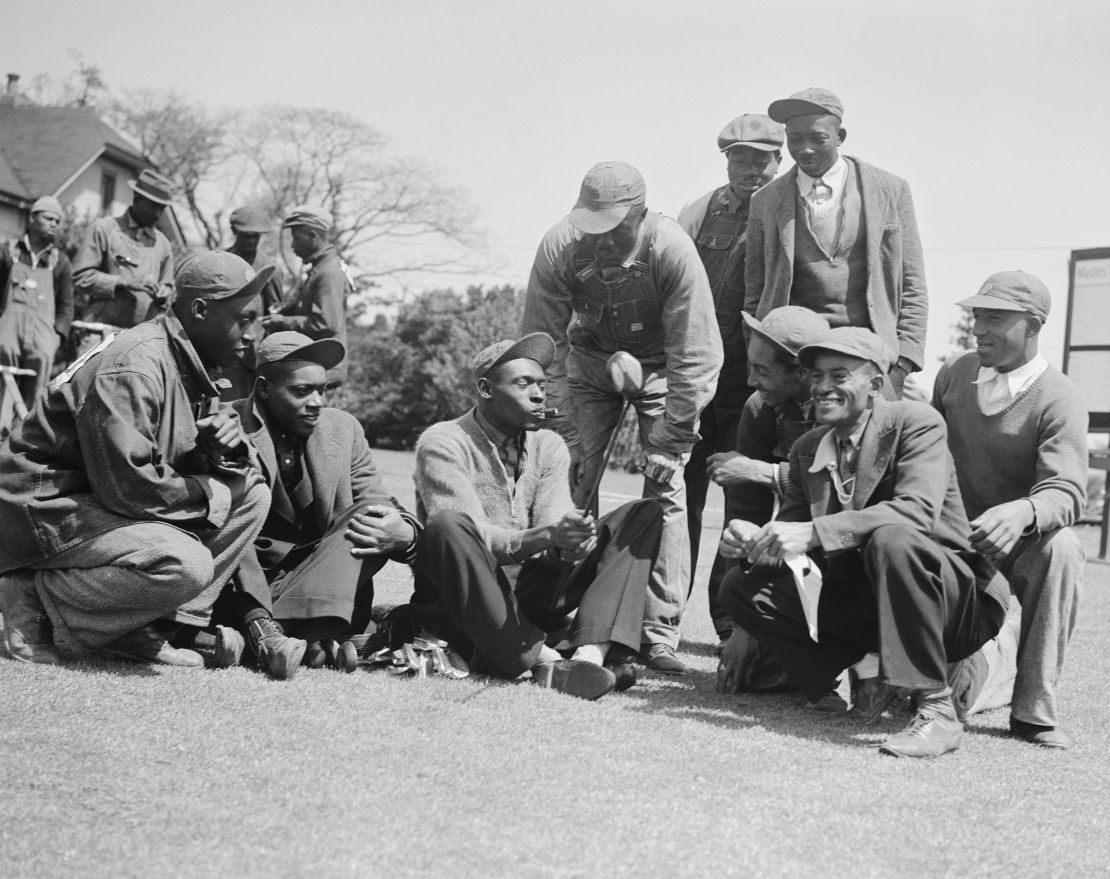
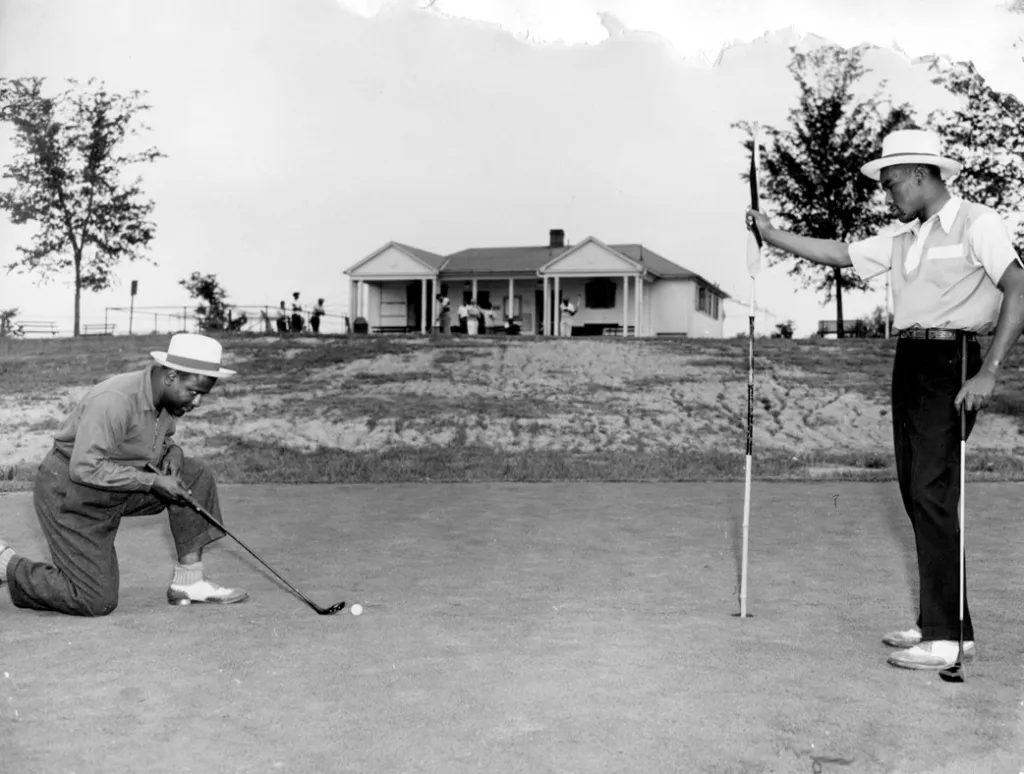
A National Movement in Golf
Across the country, white golf organizations routinely barred Black players from competition even those who had previously been prominent in the sport. In response, African American golfers did what their community had always done: they built their own.
In 1926, the United Golfers Association (UGA) was established nationally, giving Black golfers a sanctioned competitive home. Washington, D.C.’s growing golf community was a proud part of this movement.
At the time, Black golfers in D.C. were permitted to play a modest nine-hole layout situated between the Lincoln Memorial and the Old Naval Hospital at 24th Street and Constitution Avenue, NW. The greens were round, roughly twenty feet in diameter, and covered in sand humble conditions for a community with championship aspirations.
The Birth of the Royal Golf Club — 1933
By the early 1930s, it was clear that the Black golfing community in Washington, D.C. needed more: more facilities, more organization, more opportunity.
A meeting was called. Passionate golfers gathered with a shared vision to expand the scope of play, improve facilities, and properly sponsor competitive tournaments. Out of that meeting, a committee was formed in 1933 to draft a constitution, and from that foundation, the Royal Golf Club was born.
The club’s early membership included some of Washington’s most distinguished professionals doctors, lawyers, and civic leaders. But the Royal Golf Club was never meant to be exclusive. As it grew and evolved, it became a true reflection of the community it served welcoming golfers from every walk of life.
From this point on, the membership grew larger and more diversified until it became the club that represented golfers from every walk of life.
The Royal Golf Club was never just about golf. It was about access, equity, and justice.
With the number of Black golfers in D.C. rapidly growing, the Royal Golf Club joined other Black golfing organizations in advocating loudly and persistently for expanded facilities. All five golf courses operating within the city limits were federally operated and all were segregated.
In 1927, prominent Black architect John Langford petitioned the federal government to build a new 18-hole course for Black golfers on the newly developed Anacostia Park. What followed was years of rallies, congressional hearings, letter-writing campaigns, and persistent lobbying by the Black golfing community.
In 1934, government officials met with Black golf leaders — including members of the Royal Golf Club and agreed to move forward with construction. The first nine holes of Langston Golf Course were completed in 1939, giving Black golfers in D.C. a real home course for the first time.
But the fight wasn’t over. The conditions at Langston were poor, and some greens lacked adequate grass. Black golfers continued to face barriers being turned away from East Potomac Park, Rock Creek Park, and other all-white courses. They kept pressing forward, and their persistence ultimately led to the construction and opening of Langston’s back nine in 1955.
The story of the Royal Golf Club is a story of people who refused to accept less than they deserved who organized, advocated, competed, and built institutions that would outlast the injustices of their era.
There is still plenty of evidence to indicate that many of our institutions and establishments of today were largely built on the foundations that were created by those who precede us.
That founding spirit lives on today not just in the fairways of Langston Golf Course, but in the work of the Royal Foundation, which carries that same commitment to community, access, and excellence into the next generation.
Royal Golf Club Time Line
Born in 1933 from a community that refused to be excluded, the Royal Golf Club helped build the very course they were once denied and never stopped fighting for the right to play
Lincoln Memorial Golf Course opens; Riverside Golf Club founded D.C.'s first Black golf club
Citizens Golf Club organized from Riverside membership
United Golfers Association (UGA) founded nationally
Capital City Golf Club formed; John Langford petitions for new course in Anacostia Park
Royal Golf Club founded in Washington, D.C.
Federal government agrees to build course at Anacostia/Langston Park
First nine holes of Langston Golf Course completed
Back nine at Langston Golf Course opens
Royal Foundation launched to carry the legacy forward